14 Foods That Lower Stress, And Taste Great
Stress shows up for all of us, work days that run long, parenting moments that stretch your patience, nights when your mind won’t slow down. But here’s the good news: your body is built to handle stress. And the food you eat can give it the support it needs.
At Peak Physique, we talk a lot about movement, strength, and confidence. But we also know that feeling your best doesn’t start and end in the gym. What’s on your plate affects your mood, your energy, your workouts, and the way your nervous system responds to daily pressure.
That’s why we put together this guide to foods that lower stress, not as a diet, but as another tool in your wellness toolbox. Think of this as training for your nervous system. The more balanced your nutrition is, the more empowered, grounded, and resilient you feel.
Key Takeaways
The right foods help calm your nervous system, balance hormones, and support long-term mental health.
Nutrients like magnesium, omega-3s, antioxidants, B vitamins, healthy fats, and fiber play a major role in lowering stress.
You can support recovery, energy, and your workouts simply by adding a few of these foods into your day.
What you avoid matters too; excess sugar, caffeine, alcohol, and processed foods can make stress feel heavier.
You don’t need perfection. Just consistency. Just like training.
The Best Foods That Lower Stress (Peak Physique Approved)
These are the foods we recommend most when clients tell us they’re feeling overwhelmed, stretched thin, or mentally drained. They support your body, your workouts, and your mood, because that’s where movement meets mental health.
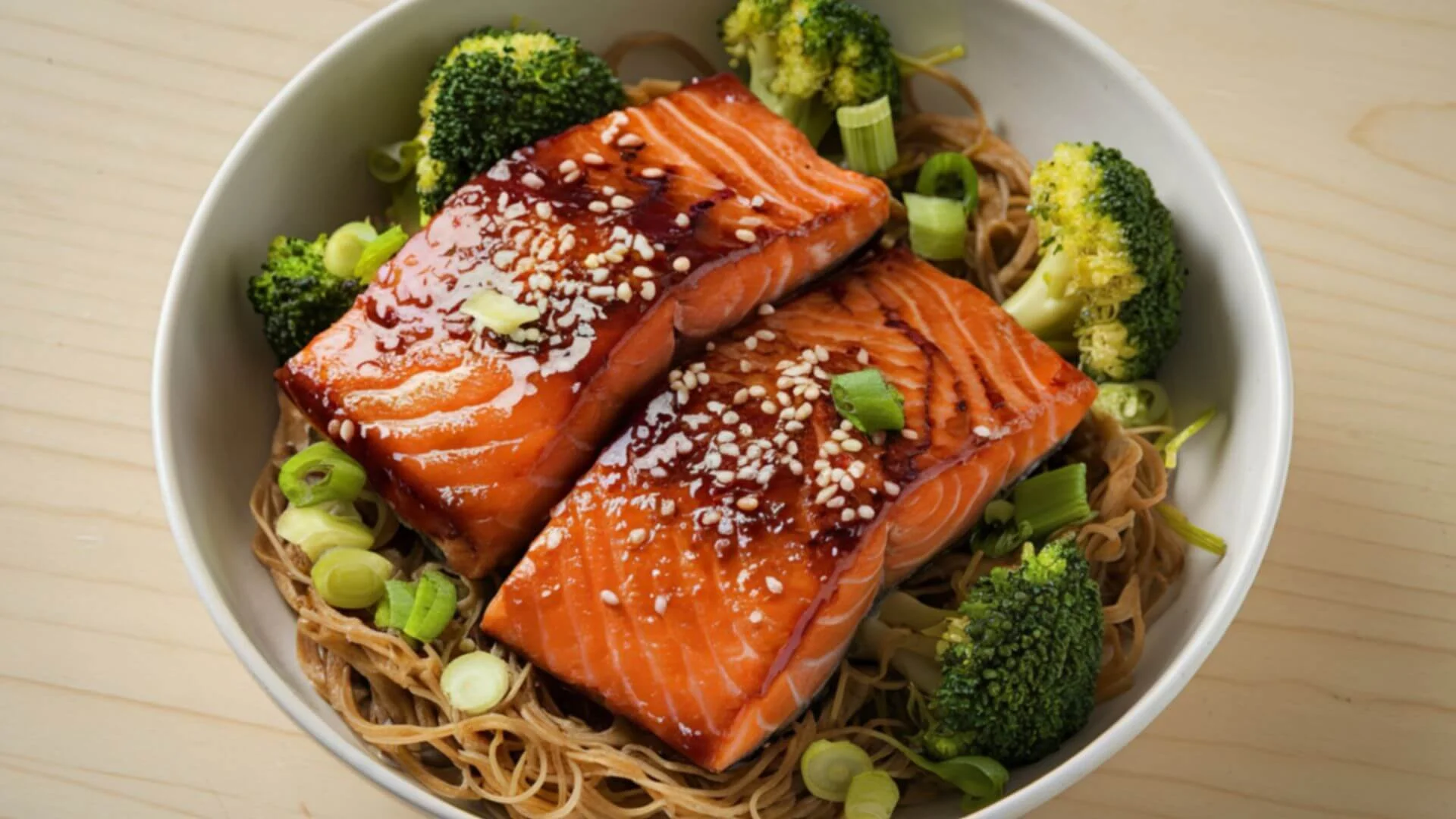
1. Fatty Fish
Examples: salmon, sardines, mackerel, tuna
Fatty fish deliver omega-3s and vitamin D, two nutrients your brain loves. These help reduce inflammation, balance hormones, and support steady energy.
Why They Work:
Omega-3s help regulate mood
Reduce cortisol levels
Support deep, restorative recovery after workouts
How to Use:
Salmon rice bowls
Tuna packs for quick lunches
Baked or air-fried fish with roasted veggies
This is “empowered, not exhausted” eating.
2. Avocados
Creamy, satisfying, and packed full of magnesium, B vitamins, and healthy fats. Avocados are basically the trifecta for stress relief.
Why They Work:
Magnesium helps your body calm down
Healthy fats support brain function and hormone balance
Fiber keeps digestion steady
How to Use:
Breakfast toast
Added to smoothies
Sliced on salads or bowls
3. Leafy Greens
Spinach, kale, arugula, swiss chard
Greens pack a punch: magnesium, folate, fiber, and vitamin C, all necessary for stress management and steady energy.
Why They Work:
Magnesium supports the nervous system
Folate helps your brain make serotonin
High antioxidants reduce inflammation
How to Use:
Add spinach to eggs
Toss kale into soups
Mix greens into pasta
Not glamorous, but incredibly powerful.
4. Beans & Lentils
Plant-based protein with a purpose.
Why They Work:
Stabilize blood sugar
High in fiber for gut health
Rich in B vitamins to support mood
How to Use:
Lentil soup
Chickpea bowls
Black bean tacos
When your gut feels balanced, your mind follows.
5. Yogurt, Kefir & Fermented Foods
Your gut and brain are teammates, and probiotics help both thrive.
Why They Work:
Improve gut health (which influences mood)
Help balance cortisol
Support immunity, especially important for people training consistently
How to Use:
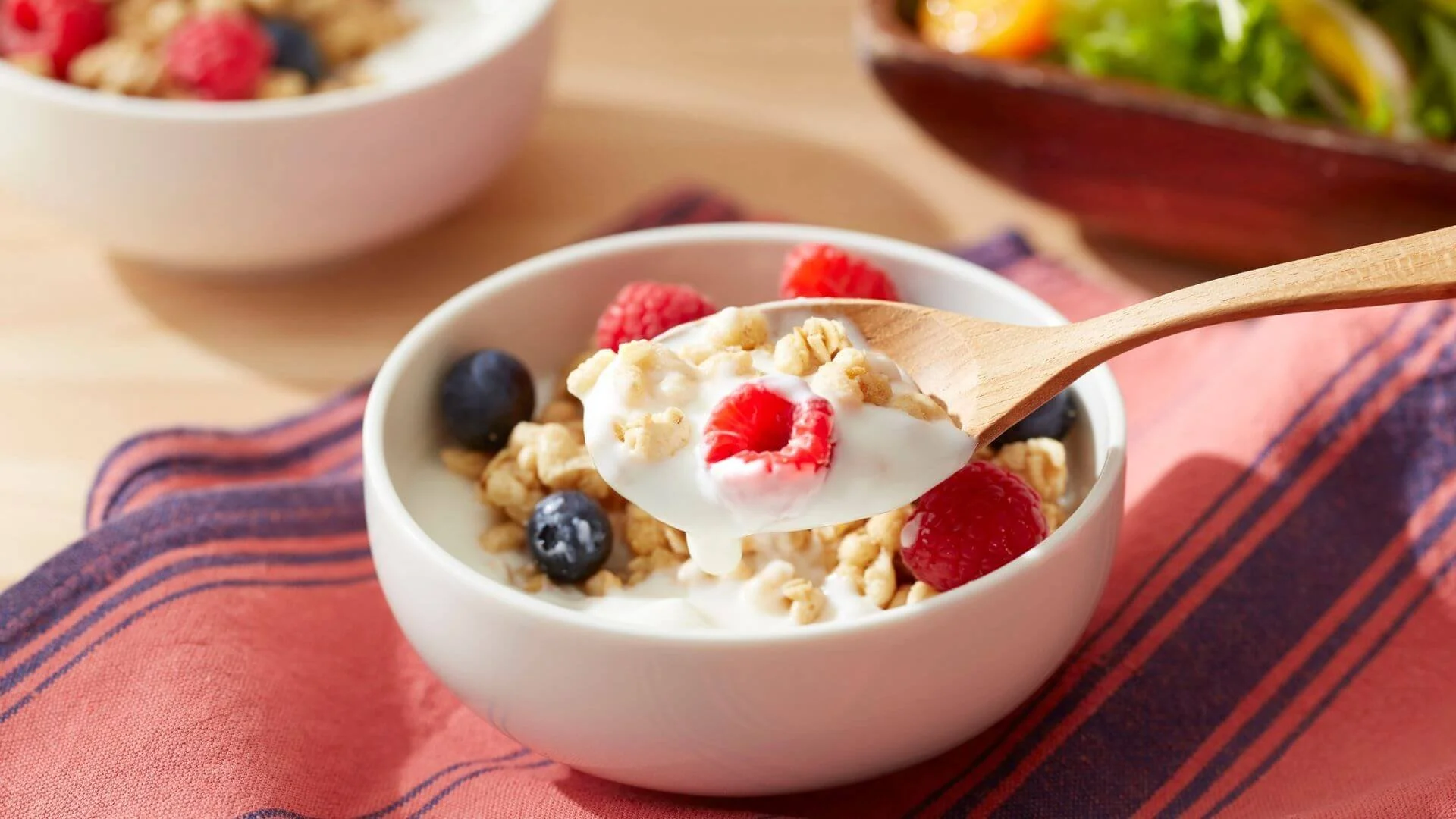
Greek yogurt + berries
Kefir smoothies
Kimchi on rice bowls
This is where science and self-care come together.
6. Nuts & Seeds
Example: Almonds, walnuts, chia seeds, flaxseeds, pumpkin seeds
Small, nutrient-dense, and easy to eat on the go.
Why They Work:
Magnesium = calm
Healthy fats = brain support
Fiber = stable energy
How to Use:
Add chia seeds to oatmeal
Grab a handful of almonds
Top salads with walnuts
If you need a “stress snack,” this is your move.
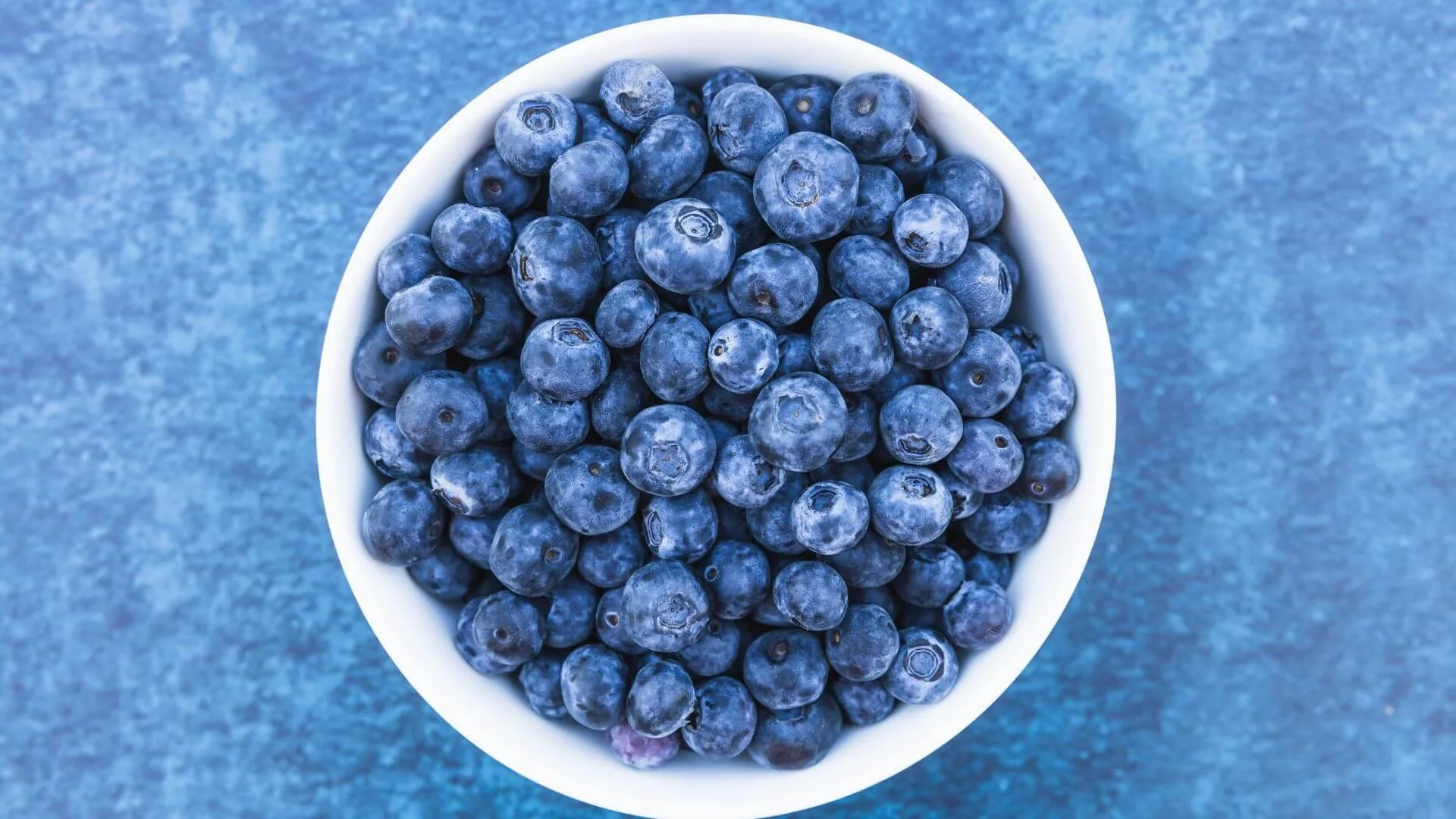
7. Berries
Especially blueberries!
Why They Work:
High antioxidants reduce stress-related inflammation
Support memory and focus
Provide steady natural energy
How to Use:
Add to yogurt
Blend into smoothies
Freeze and snack
This is one of the easiest foods that can help lower stress, include it in your daily diet.
8. Eggs
One of the most complete, nutrient-rich foods around.
Why They Work:
Protein stabilizes blood sugar
B vitamins support mood
Choline is essential for brain health
How to Use:
Scrambled
Hard-boiled
Breakfast sandwiches
Eggs are affordable, easy, and effective.
9. Sweet Potatoes
Comforting, nourishing, and full of nutrients that help calm your nervous system.
Why They Work:
High in vitamin C and potassium
Lower cortisol
Provide long-lasting energy
How to Use:
Roasted cubes
Baked whole
Mashed
Carbs aren’t the enemy. They’re fuel.
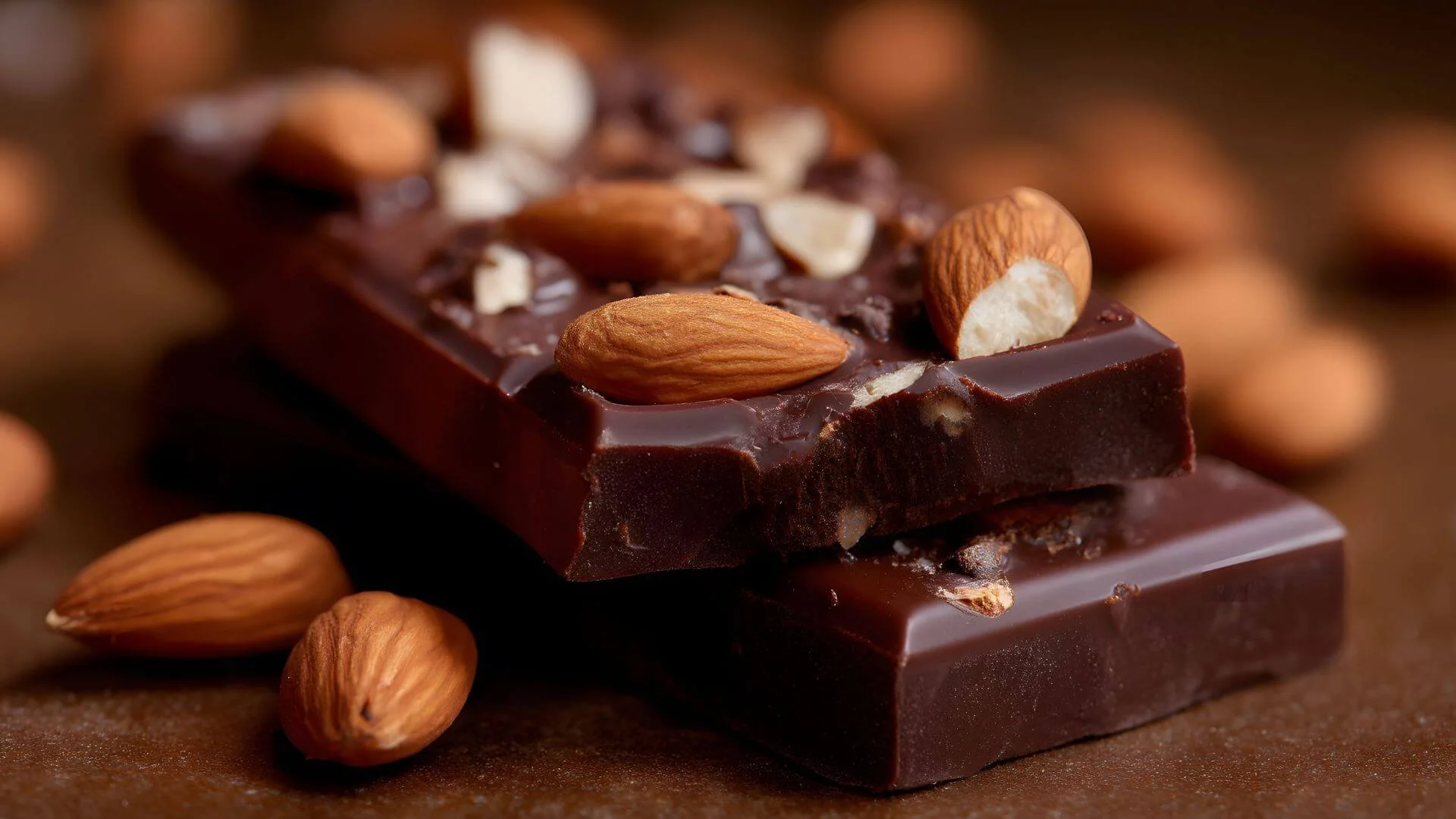
10. Dark Chocolate
Yes, really!
Why It Works:
Flavonoids help your brain manage stress
A little serotonin boost never hurts
Satisfies cravings without a sugar crash
How to Use:
70%–90% cocoa
One small square after dinner
11. Matcha & Green Tea
Matcha is rich in L-theanine, a compound that calms your mind while keeping you alert.
Why They Work:
Steady focus
Reduced anxiety
No harsh caffeine crash
How to Use:
Matcha lattes
Hot green tea
Add matcha to smoothies
12. Whole Grains & Oatmeal
Carbs that support, not spike, your energy.
Why They Work:
Stabilize blood sugar
Support serotonin production
Keep hunger (and cravings) in check
How to Use:
Oatmeal bowls
Brown rice
Quinoa stir-fries
Food that supports your workouts and your mood.
13. Broccoli & Cruciferous Veggies
Broccoli, cauliflower, Brussels sprouts, nutrient powerhouses.
Why They Work:
Reduce inflammation
High in folate and vitamin C
Support a stable mood
How to Use:
Roasted broccoli
Cauliflower rice
Cabbage stir fry
14. Citrus Fruits
Oranges, grapefruit, lemons
Why They Work:
High vitamin C helps regulate cortisol
Support immune health
Refreshing, hydrating, energizing
How to Use:
Grapefruit breakfast
Orange slices
Lemon water
Foods That Increase Stress
You don’t have to avoid these completely, just be aware of how they affect your body:
Alcohol disrupts sleep and lowers serotonin
Caffeine can trigger jitters and anxiety
Processed sugar spikes → crashes = stress rollercoaster
Refined carbs & fried foods increase inflammation
Balance is the goal. Always.
How to Build a Stress-Lowering Day of Eating
Here’s what it could look like (Peak Physique–style):
Breakfast
Greek yogurt + berries + chia seeds
Green tea or matcha
Lunch
Salmon bowl with greens & avocado
Snack
Almonds or walnuts
Fruit
Dinner
Grilled chicken or lentils
Sweet potato
Broccoli
Evening Wind-Down
Chamomile tea
A square of dark chocolate
This is simple, sustainable, and supportive, just like your training.
You Don’t Need Perfection, You Need Support
Just like training, nutrition is about showing up, not being perfect. And the more you choose foods that lower stress, the more steady, grounded, and energized you’ll feel.
At Peak Physique, we believe wellness is a full-body conversation, movement, mindset, nutrition, and support. When they work together, everything in your life feels lighter. Stronger. Clearer.
And if you ever want guidance, you already know where to find us.
Train here. Train anywhere. We’ll guide you.
FAQs: Foods That Lower Stress
What’s the best food to lower stress quickly?
Avocados, leafy greens, fatty fish, and berries are some of the fastest-working foods.
Do carbs help or hurt stress?
The right carbs help. Whole grains and sweet potatoes stabilize mood and energy. Processed carbs do the opposite.
Does coffee make stress worse?
For some people, yes, too much caffeine can spike cortisol and impact sleep.
How many stress-lowering foods should I eat daily?
Aim for 3–5, mixed throughout your meals.
Can certain foods really help my workouts feel easier?
Yes, big time. Foods high in omega-3s, magnesium, and B vitamins support recovery, reduce inflammation, and help your nervous system stay calm. When your stress levels drop, your workouts feel smoother, and your energy stays steadier.
What should I eat before a workout if I’m feeling overwhelmed or anxious?
Go for something simple and calming: a banana with peanut butter, Greek yogurt with berries, or oatmeal with chia seeds. These give you steady energy without overstimulating your system.
Do I need supplements for stress, or can food be enough?
Food can be incredibly effective. Start there first. If you still feel depleted, talking with a doctor or dietitian can help you decide whether supplements like magnesium or omega-3s make sense for you.
How quickly can foods that lower stress start working?
Some offer a near-immediate calming effect, like matcha, dark chocolate, or magnesium-rich foods. Others build long-term resilience by supporting gut health, hormones, and inflammation. Think of it as training: small reps add up to big results.