Everything You Need To Know About Strength and Conditioning Training for Young Athletes
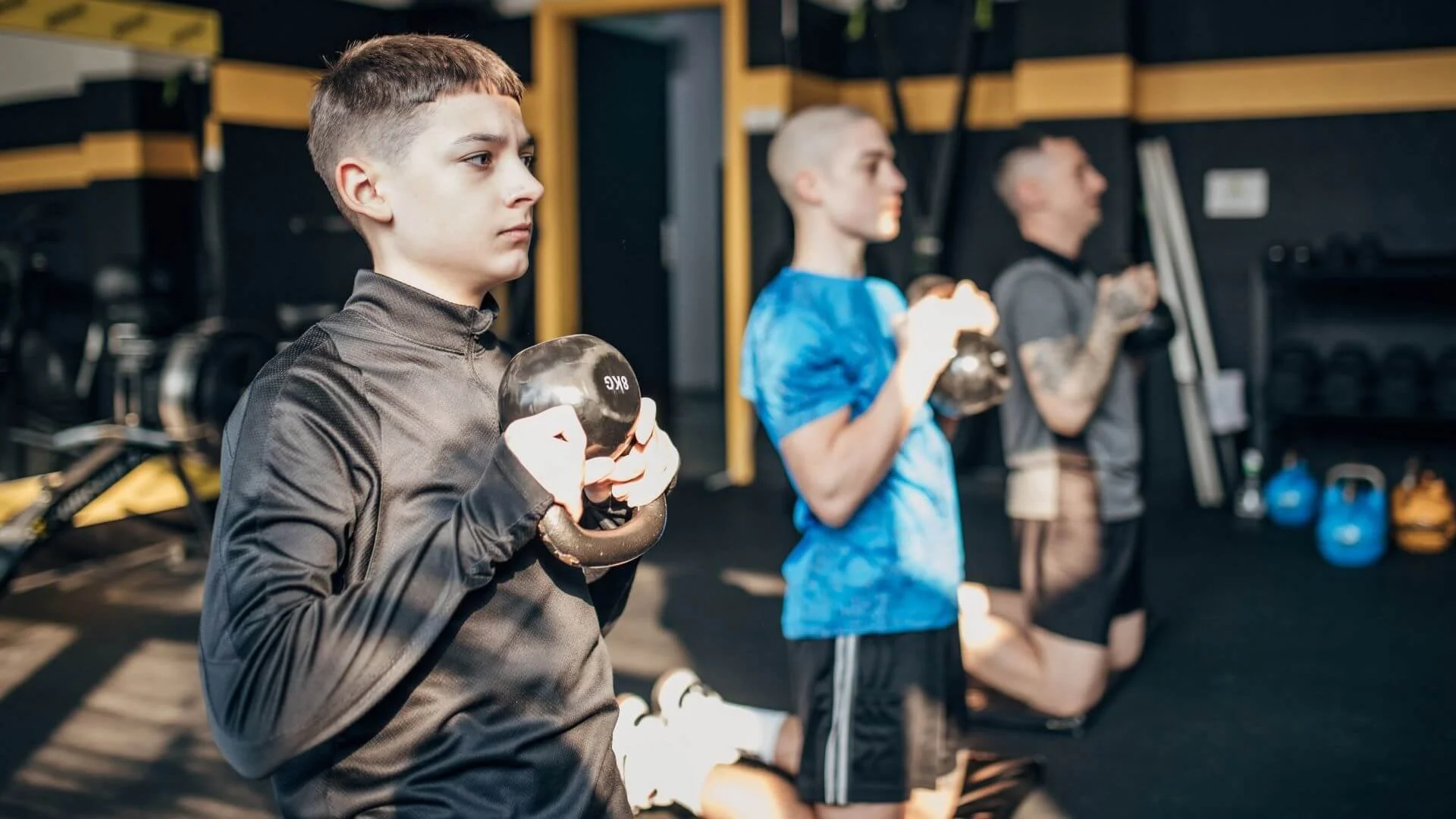
Youth sports have become more competitive than ever.
Many young athletes play year-round, compete on travel teams, and spend countless hours practicing their sport. While that dedication can certainly help athletes improve, sport-specific practice alone isn't enough to help them reach their full potential.
That's where strength and conditioning training for young athletes comes in.
A well-designed strength and conditioning program for young athletes can help them move better, become more confident, improve performance, and reduce their risk of injury. More importantly, it helps develop the athletic foundation they'll rely on for years to come.
Let's break down what strength and conditioning training actually is, why it matters, and how young athletes can benefit from it.
Key Takeaways
Strength and conditioning training for young athletes helps improve strength, speed, coordination, and overall athletic performance.
Properly supervised strength training is safe for young athletes and can help reduce the risk of sports-related injuries.
Young athletes benefit most when they focus on movement quality and technique before adding heavy weights.
Playing multiple sports and developing general athletic skills can support long-term athletic success and help prevent burnout.
Recovery, nutrition, and sleep are just as important as training for athletic development.
Working with a qualified coach can help young athletes build confidence, improve performance, and create healthy habits that last a lifetime.
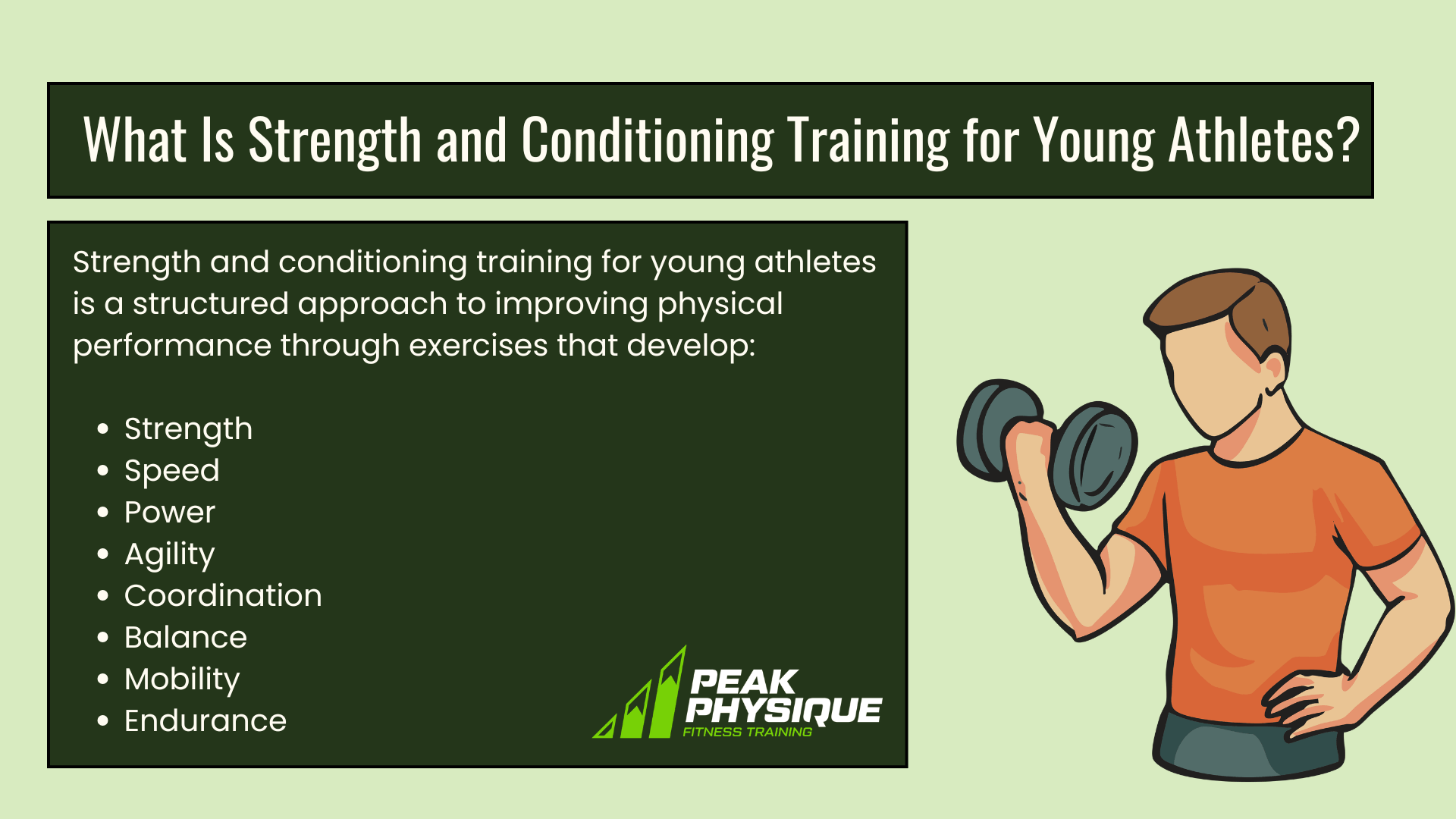
What Is Strength and Conditioning Training for Young Athletes?
Strength and conditioning training for young athletes is a structured approach to improving physical performance through exercises that develop:
Strength
Speed
Power
Agility
Coordination
Balance
Mobility
Endurance
Contrary to what some people think, strength and conditioning isn't simply about lifting weights.
For younger athletes, it often includes bodyweight exercises, movement drills, jumping mechanics, sprint training, balance work, core development, and mobility exercises.
The goal of strength and conditioning training for younger athletes is to develop a more complete athlete rather than just a strong one.
Is Strength Training Safe For Young Athletes?
This is one of the most common questions parents ask, and it’s important to be asking.
The short answer is yes.
When properly supervised and taught by qualified coaches, strength training is considered safe and beneficial for young athletes. Research consistently shows that age-appropriate strength training can improve athletic performance while helping reduce injury risk.
The key is focusing on:
Proper technique
Age-appropriate progressions
Qualified supervision
Gradual increases in difficulty
At Peak Physique, our focus is always on teaching movement first and loading second. Young athletes don't need to max out on heavy lifts. They need to learn how to move efficiently, safely, and confidently.

What Are The Benefits Of Strength and Conditioning Training for Young Athletes?
The benefits extend far beyond sports performance.
Improved Strength
Strength provides the foundation for nearly every athletic movement.
Whether an athlete wants to sprint faster, jump higher, throw harder, or change direction more efficiently, developing strength helps support those goals.
Better Athletic Performance
Athletes who develop strength, balance, coordination, and power often perform better in their sport.
Strength and conditioning can improve:
Sprint speed
Vertical jump
Agility
Reaction time
Change-of-direction ability
Overall athleticism
Reduced Risk Of Injury
One of the biggest benefits of strength and conditioning is injury prevention.
Strong muscles help stabilize joints and absorb force more effectively. Athletes who move well and have better body control are often less likely to experience overuse injuries and non-contact injuries.
Increased Confidence
As athletes become stronger and more capable, confidence often follows.
Learning new skills, seeing progress, and feeling physically capable can positively impact performance both on and off the field.
Long-Term Athletic Development
Perhaps the most important benefit is building a foundation for the future.
Strength and conditioning teaches movement skills that can support athletes throughout high school, college, and beyond.
Why Movement Quality Matters More Than Heavy Weights
One of the biggest mistakes young athletes make is focusing on how much weight they can lift instead of how well they move.
Before adding significant resistance, athletes should learn how to:
Squat
Hinge
Lunge
Push
Pull
Jump
Land
Sprint
These fundamental movement patterns create the foundation for future performance. An athlete who can move well will usually progress much faster than an athlete who simply tries to lift heavier weights without mastering technique.
At Peak Physique, we teach athletes to earn the right to progress by first developing excellent movement habits.
The Problem With Early Sport Specialization
Many young athletes feel pressure to focus on a single sport as early as possible. While specialization may seem like the fastest path to success, it often creates challenges.
Athletes who play only one sport can miss opportunities to develop a broader range of movement skills. They may also experience higher rates of burnout and overuse injuries.
Playing multiple sports helps athletes:
Develop better overall coordination
Learn different movement patterns
Reduce repetitive stress
Stay engaged and motivated
In many cases, the best athlete isn't the one who specialized first. It's the one who developed the broadest athletic foundation.

What Should Young Athletes Actually Be Doing?
The exact program depends on age, maturity level, sport, and experience.
However, most young athletes benefit from focusing on these types of training.
Bodyweight Strength Training
These exercises teach athletes how to control their body before adding significant external resistance:
Squats
Lunges
Push-ups
Pull-ups
Step-ups
Planks
Speed And Agility Training
Learning to accelerate, decelerate, change direction, and move efficiently can directly impact sports performance.
Jumping And Landing Mechanics
Many sports involve explosive movements.
Teaching athletes how to jump and land properly helps improve performance while reducing the risk of injury.
Core Training
A strong core helps transfer force throughout the body and supports better movement mechanics.
Mobility Training
Good mobility allows athletes to move more efficiently and maintain healthy movement patterns as they grow and develop.
Recovery Is Part Of The Training Process
One of the most overlooked aspects of athletic development is recovery.
Many young athletes are constantly moving between practices, games, tournaments, and training sessions without giving their bodies adequate time to recover.
Recovery includes:
Quality sleep
Proper nutrition
Hydration
Rest days
Mobility work
Learning this lesson early can help athletes stay healthier and perform at a higher level throughout their athletic careers.
What Age Should Young Athletes Start Strength Training?
One of the biggest misconceptions about strength training is that children need to wait until high school to begin.
In reality, many young athletes can start learning strength and conditioning principles much earlier.
The key isn't age; it's readiness.
If a child can follow directions, pay attention to coaching cues, and perform exercises with proper technique, they can often begin participating in age-appropriate strength and conditioning activities.
For younger athletes, this usually means focusing on:
Bodyweight exercises
Balance and coordination drills
Agility training
Jumping and landing mechanics
Core strength
Mobility exercises
As athletes mature physically and mentally, more advanced strength training can gradually be introduced.
We never want to rush the process; we want to build a strong foundation that supports long-term development.
Most importantly, we help athletes enjoy the process.
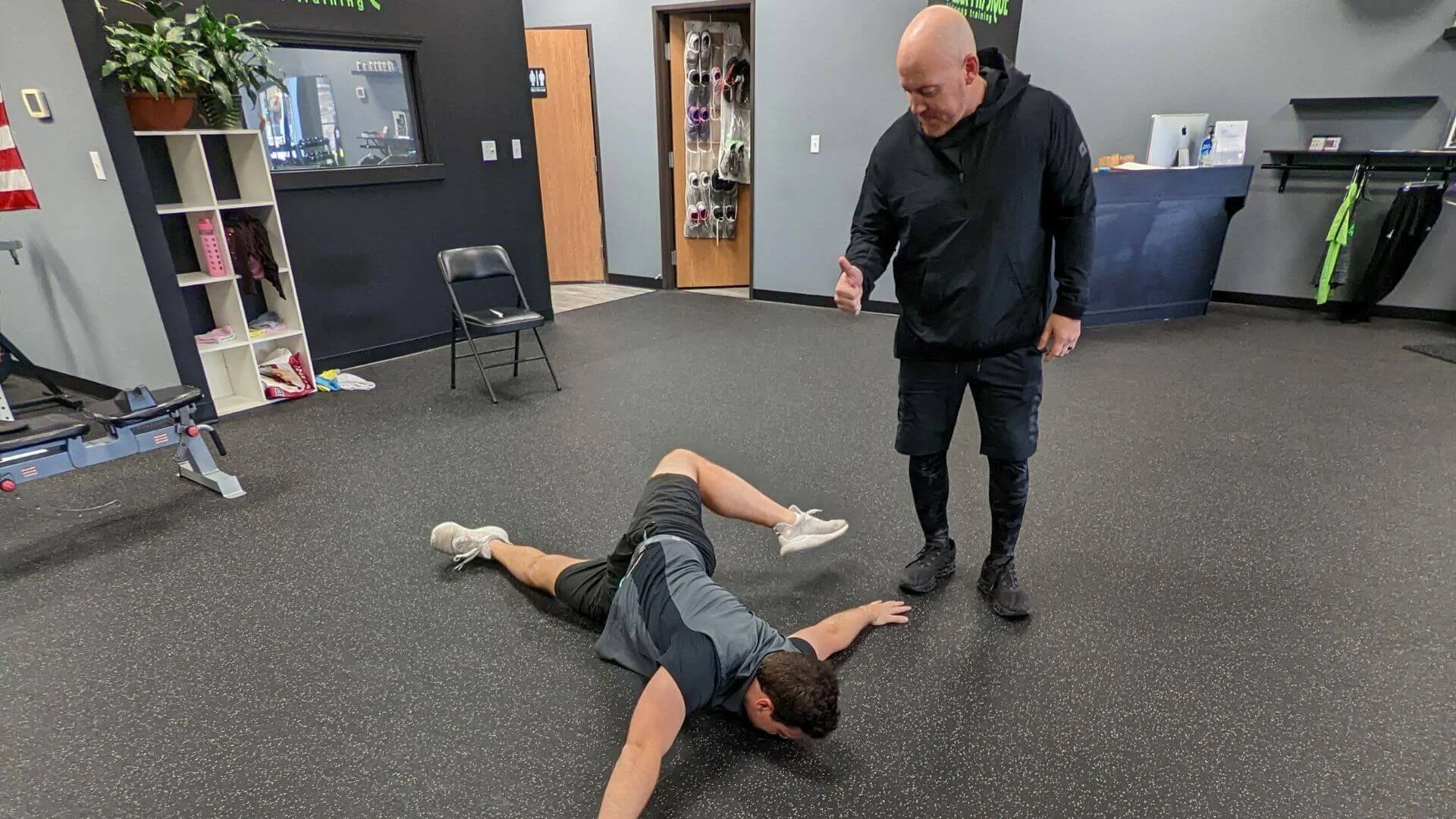
Why Parents Choose Peak Physique For Youth Athletic Development
At Peak Physique, we understand that every young athlete is different.
Some athletes want to make the varsity team. Others are preparing for club sports, high school competition, or simply want to feel stronger and more confident in their sport.
That's why we don't believe in cookie-cutter training programs.
Instead, we create individualized plans based on each athlete's age, experience level, sport, goals, and movement patterns.
Our youth athletic development programs focus on:
Building strength safely
Improving speed and agility
Enhancing coordination and balance
Teaching proper movement mechanics
Developing confidence both on and off the field
Reducing injury risk through smart training
Most importantly, we strive to create an environment where young athletes enjoy training and develop a positive relationship with exercise.
Because while sports careers may come and go, the habits, confidence, and life skills they build through movement can last forever.
Start Building A Strong Foundation Today
The earlier young athletes learn proper movement, strength, and recovery habits, the greater the benefits they'll experience throughout their athletic journey.
Whether your child plays one sport or several, strength and conditioning training can help them perform better, stay healthier, and build confidence both on and off the field.
If you're looking for personalized strength and conditioning training for young athletes in Troy, MI, Peak Physique is here to help. Contact us today to learn more about our youth athletic development programs.
FAQs About Strength and Conditioning Training for Young Athletes
Is Strength and Conditioning Safe For Young Athletes?
Yes. When supervised by qualified coaches and appropriately designed for the athlete's age and developmental level, strength and conditioning training is considered safe and highly beneficial for young athletes.
Does Strength Training Stunt Growth?
No. Research does not support the claim that properly supervised strength training stunts growth. In fact, age-appropriate strength training can improve athletic performance, bone health, and overall physical development.
What Are The Benefits Of Strength and Conditioning Training For Young Athletes?
Strength and conditioning can help improve strength, speed, agility, balance, coordination, confidence, and injury resistance. It also helps athletes develop movement skills that support long-term athletic success.
How Many Days Per Week Should Young Athletes Strength Train?
Most young athletes benefit from two to three strength and conditioning sessions per week, depending on their age, sport schedule, and overall training load.
Should Young Athletes Lift Heavy Weights?
For most young athletes, the focus should be on mastering movement patterns and proper technique before progressing to heavier resistance. Strength development should happen gradually under professional supervision.
Can Strength and Conditioning Help Prevent Sports Injuries?
Absolutely. Strength and conditioning programs can improve movement quality, joint stability, balance, and overall body control, all of which can help reduce the risk of injury during sports participation.
Is Strength and Conditioning Only For Competitive Athletes?
Not at all. While competitive athletes benefit greatly from structured training, strength and conditioning can also help recreational athletes improve confidence, coordination, fitness, and overall physical health.