Lower Back Exercises To Prevent Back Pain

Lower back pain is one of the most common issues we see, whether it’s from sitting too long, lifting incorrectly, training hard, or simply moving through a stressful, busy season of life.
The frustrating part? Most people only think about their lower back once it already hurts.
But here’s the good news: the right lower back exercises can help prevent back pain before it starts.
At Peak Physique, we believe prevention matters just as much as recovery. Building strength, improving mobility, and teaching your body how to move well can make a huge difference in how you feel every day.
And no, this isn’t about crushing yourself with intense workouts.
It’s about creating a body that feels supported, strong, and capable for the long haul.
Key Takeaways
Lower back exercises help prevent pain by improving strength, stability, and movement patterns
A strong core, glutes, and hips help reduce stress placed on your lower back
Mobility and posture play a major role in preventing stiffness and discomfort
Controlled, consistent movement is more effective than random, intense workouts
Exercises like suitcase carries, dead bugs, and hip airplanes help improve spinal support
Working with a personal trainer can help identify movement issues before they become pain
Why Lower Back Pain Happens In The First Place
A lot of people assume lower back pain means something is injured or damaged, but that’s not always true. In many cases, the lower back is simply overworking because other areas of the body aren’t doing their jobs properly.
Weak glutes, poor core engagement, tight hips, limited mobility, and prolonged sitting can all force your lower back to compensate.
Over time, that compensation builds tension, fatigue, and eventually pain.
That’s why preventing back pain doesn’t stop at just stretching your back. It involves improving how your entire body moves together.
Why Lower Back Exercises Matter
Your lower back works hard all day long.
It helps stabilize your spine while you walk, lift, bend, twist, sit, and exercise. When the muscles surrounding your spine are strong and coordinated, movement becomes safer and more efficient.
Lower back exercises can help:
Improve posture
Reduce muscle tension
Support spinal stability
Improve balance and coordination
Prevent overcompensation from other muscles
Make everyday movement feel easier
When your body feels strong and supported, you stop moving cautiously and start trusting yourself again.
What Are The Best Lower Back Exercises To Prevent Back Pain?
The best lower back exercises focus on stability, coordination, mobility, and controlled strength, not just “working your back.”
These movements train your body to move better as a whole.
1. Dead Bug
The dead bug is one of our favorite exercises for teaching core control and spinal stability.
It may look simple, but done correctly, it challenges your ability to stabilize your spine while your arms and legs move independently.
How To Do It
Lie on your back with your arms pointed toward the ceiling and your knees bent at 90 degrees.
Slowly lower one arm and the opposite leg toward the floor while keeping your lower back flat against the ground.
Return to the starting position and switch sides.
Move slowly and focus on keeping your core engaged the entire time.
Why It Helps Prevent Back Pain
Dead bugs strengthen the deep core muscles that support your spine and reduce unnecessary strain on your lower back.
2. Suitcase Carry
This is one of the most underrated exercises for preventing back pain.
Suitcase carries force your core and stabilizers to resist side bending while walking under load.
How To Do It
Hold a dumbbell or kettlebell in one hand at your side.
Stand tall, engage your core, and slowly walk forward while keeping your shoulders level.
Avoid leaning toward or away from the weight.
Switch sides after each set.
Why It Helps Prevent Back Pain
This movement builds real-world core stability and strengthens the muscles that protect your spine during everyday activities.
3. Hip Airplanes
Hip stability and lower back health are closely connected.
Hip airplanes improve balance, glute activation, and rotational control.
How To Do It
Stand on one leg while hinging slightly at the hips.
Slowly rotate your hips open and closed while keeping your balance and maintaining control.
This movement should be slow and deliberate.
Why It Helps Prevent Back Pain
Weak hips often cause the lower back to compensate during movement. Hip airplanes improve stability and reduce unnecessary spinal stress.
4. Pallof Press
The Pallof press teaches your core how to resist rotation, which is incredibly important for spinal protection.
How To Do It
Attach a resistance band at chest height.
Stand sideways to the anchor point and hold the band close to your chest.
Press the band straight out in front of you while resisting the urge to rotate.
Bring it back slowly and repeat.
Why It Helps Prevent Back Pain
This exercise trains anti-rotation strength, helping your spine stay stable during movement.

5. Reverse Lunges
Reverse lunges strengthen your glutes, legs, and core while improving balance and coordination.
How To Do It
Stand tall and step backward into a lunge position.
Lower slowly while keeping your chest upright.
Push through your front foot to return to standing.
Alternate sides.
Why It Helps Prevent Back Pain
Strong glutes reduce the amount of stress placed on your lower back during daily movement.
6. Wall Angels
Poor posture can create tension in your upper and lower back.
Wall angels help improve posture, shoulder mobility, and spinal alignment.
How To Do It
Stand with your back against a wall and your arms bent at 90 degrees.
Slowly slide your arms overhead while keeping your back and arms against the wall.
Move slowly and avoid arching your lower back.
Why It Helps Prevent Back Pain
Improving posture reduces unnecessary strain throughout your spine and helps your body move more efficiently.
7. Bear Crawl Holds
This exercise teaches full-body tension, core engagement, and stability.
How To Do It
Start on your hands and knees.
Lift your knees a few inches off the floor while keeping your back flat and core engaged.
Hold this position while breathing slowly.
Why It Helps Prevent Back Pain
Bear crawl holds strengthen your deep stabilizing muscles and improve spinal control.

8. Step-Ups
Step-ups build lower-body strength while reinforcing balance and hip stability.
How To Do It
Step onto a bench or sturdy platform using one leg.
Drive through your heel to stand tall before stepping back down slowly.
Repeat on both sides.
Why It Helps Prevent Back Pain
Stronger legs and glutes help absorb force properly so your lower back doesn’t take on unnecessary stress.
Mobility Matters Just As Much As Strength
A lot of lower back discomfort comes from stiffness and restricted movement, especially in the hips.
That’s why mobility work matters.
If your hips, hamstrings, or thoracic spine can’t move properly, your lower back often compensates. Adding mobility exercises, stretching, and recovery work into your routine can help keep your body moving well long term.
How A Personal Trainer Can Help Prevent Back Pain
One of the biggest mistakes people make is waiting until their back already hurts before asking for help.
At Peak Physique, we focus on helping people move better before pain becomes a bigger issue.
That means:
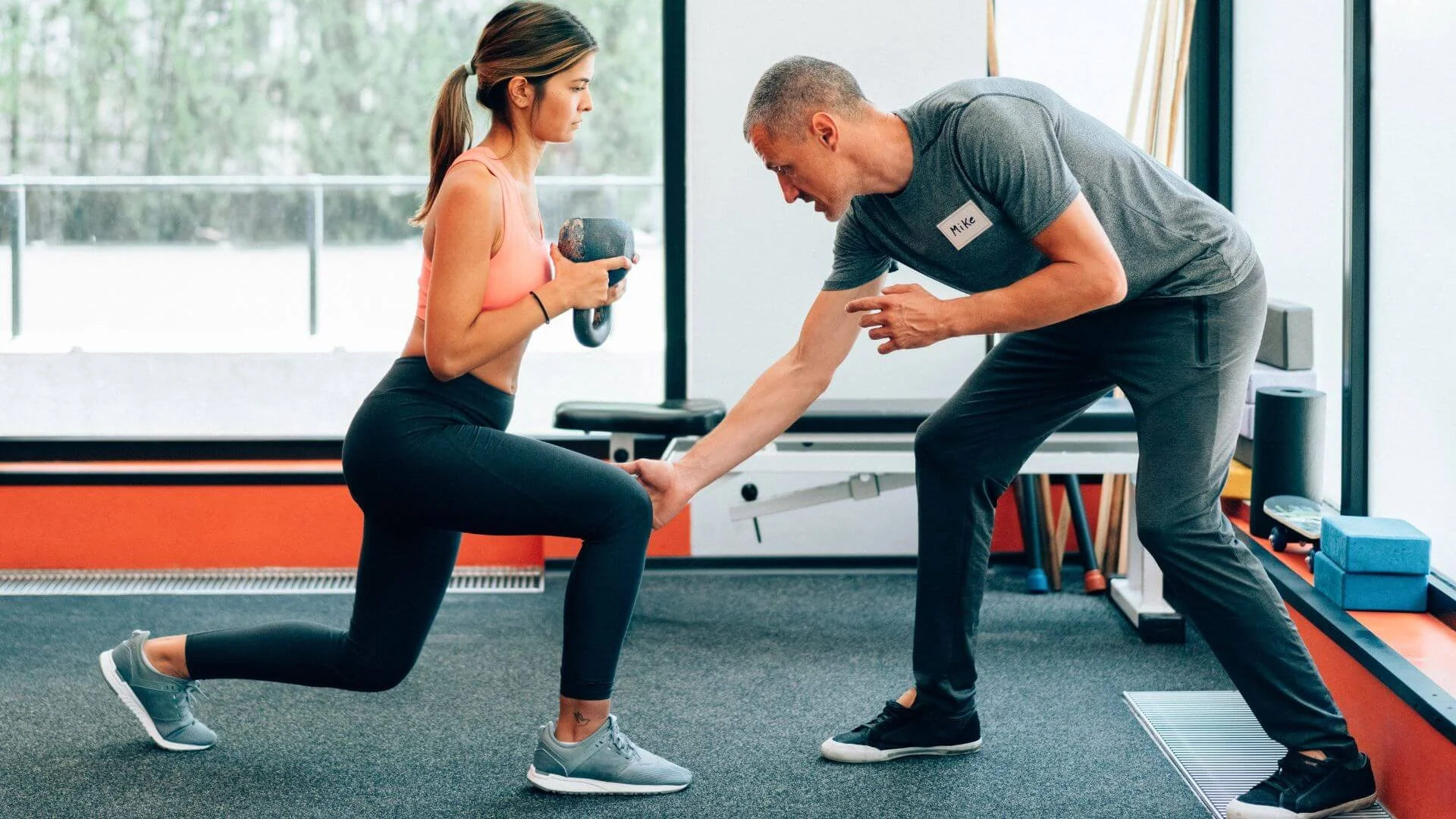
Identifying movement limitations
Improving posture and mobility
Building strength safely
Teaching proper exercise form
Creating programs that actually fit your life
We don’t do cookie-cutter training.
Every body moves differently, and your training program should reflect that.
Consistency Beats Intensity
You do not need to destroy yourself in the gym to prevent back pain. In fact, constantly overtraining without proper recovery can actually increase tension and fatigue.
The goal is sustainable movement.
A few well-structured workouts each week, combined with mobility work and recovery, can completely change how your body feels over time.
Start Building A Stronger Back Today
Preventing back pain starts with learning how to support your body properly.
The right lower back exercises can help you move better, feel stronger, and stay active long term.
If you’re ready to feel stronger, more stable, and more confident in your movement, Peak Physique is here to help. Contact us today and get your first workout free with your consultation.
FAQs About Lower Back Exercises
What Are The Best Lower Back Exercises For Beginners?
Exercises like dead bugs, bridges, bird dogs, and suitcase carries are excellent beginner-friendly movements because they build stability without placing excessive stress on the spine.
Can Lower Back Exercises Prevent Back Pain?
Yes. Strengthening your core, glutes, and hips, as well as your stabilizing muscles, can reduce strain on your lower back and help prevent future discomfort.
How Often Should I Train My Lower Back?
Most people benefit from strength and mobility work 2–3 times per week. Consistency matters more than intensity.
Should I Stretch Or Strengthen My Lower Back?
Usually both. Tight muscles and weak stabilizers often work together to create discomfort. A balanced program should include both mobility and strengthening exercises.
Is Walking Good For Lower Back Pain?
Yes. Walking improves circulation, promotes movement, and can help reduce stiffness in the lower back without placing excessive stress on the spine.
Can A Personal Trainer Help With Back Pain Prevention?
Absolutely. A personal trainer can identify movement imbalances, improve exercise form, and create a customized program designed to support your body safely and effectively.