Can You Exercise at Night to Lose Weight? What Actually Matters

If the only time you can consistently work out is after work, after dinner, or after the kids finally go to bed, you may have wondered: Can you exercise at night to lose weight?
Yes, you can.
You don't need to become a 5 a.m. workout person to make progress toward your weight loss or fitness goals. Exercising at night still counts as exercise, and for many people, an evening workout is far more realistic than squeezing one into an already hectic morning.
What matters more than finding the "perfect" time to exercise is building a routine you can actually maintain.
At Peak Physique, we work with real people who have jobs, families, appointments, responsibilities, and schedules that don't always cooperate. Instead of worrying about whether morning or evening exercise is theoretically better, we'd rather help you find a routine that fits your life well enough that you can keep doing it.
Key Takeaways
You can exercise at night to lose weight; you don't have to work out in the morning for exercise to support weight loss.
Consistency, overall physical activity, nutrition, sleep, and sustainable habits matter more than finding a "perfect" workout time.
Strength training, cardio, walking, and other forms of movement can all fit into an evening exercise routine.
No specific night exercises will lose belly fat because you cannot choose exactly where your body loses fat.
Very intense exercise close to bedtime may affect sleep for some people, so pay attention to how evening workouts make you feel.
The best workout schedule is generally one you can realistically maintain over time.
Yes, You Can Exercise at Night to Lose Weight
Let's clear up the biggest misconception first: your workout doesn't suddenly stop being beneficial because the sun went down.
Exercise increases your physical activity and energy expenditure regardless of whether you're moving at 7 a.m. or 7 p.m. Regular exercise can also help you build and maintain muscle, improve cardiovascular fitness, manage stress, and develop habits that support your overall health.
There has even been research examining whether evening activity provides particular benefits. One observational study of nearly 30,000 adults with obesity found an association between getting moderate-to-vigorous activity in the evening and lower risks of premature death and cardiovascular and microvascular disease.
However, the researchers did not specifically track structured workouts, and an observational study cannot establish that exercising at night caused those outcomes.
So we wouldn't look at that research and tell you that you need to work out at night.
Instead, we'd take away something much more practical: there's no reason to dismiss evening exercise simply because you've heard morning workouts are better.
The Best Time to Exercise Is the Time You'll Actually Exercise
Imagine two people trying to establish a fitness routine.
One decides that working out first thing in the morning is supposedly best for weight loss. The problem? They hate waking up early, repeatedly hit snooze, and manage one or two workouts before giving up.
The other knows evenings work better. They schedule three workouts after work each week and show up consistently.
Which routine would you rather have?
Consistency winsalways.
If mornings genuinely work for you, great. If your lunch break is the only reliable opening in your schedule, use it. And if you're finally free at 6:30 or 7:00 at night, there's nothing inherently wrong with making that your workout time.
In fact, when discussing evening exercise, fitness professionals interviewed by Healthline emphasized starting gradually, setting realistic goals, varying workouts, and finding a routine that is enjoyable, sustainable, and compatible with your lifestyle.
That's a philosophy we can get behind.
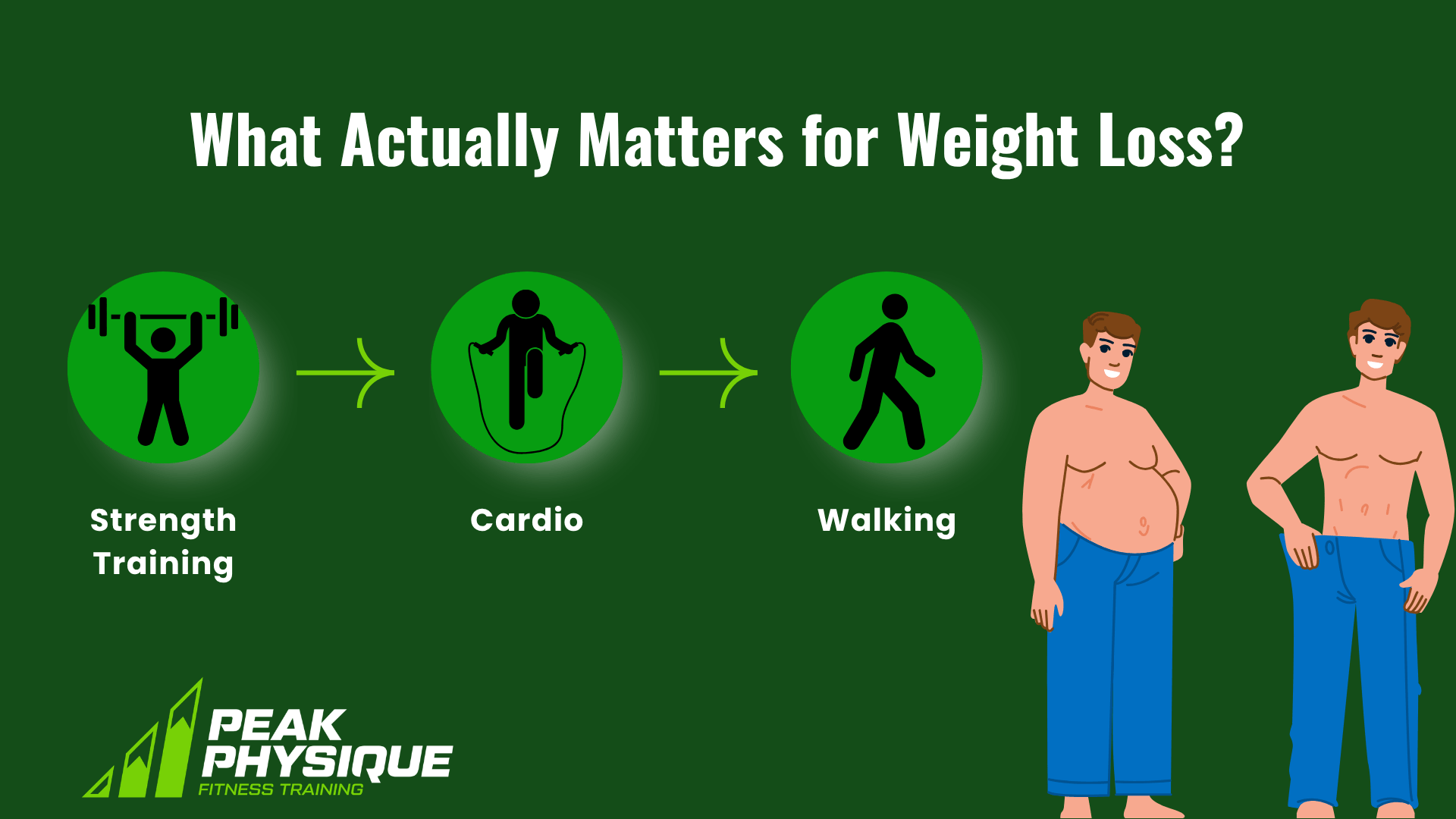
What Actually Matters for Weight Loss?
If you're trying to exercise at night to lose weight, focusing exclusively on when you exercise can distract you from the bigger picture. Exercise can absolutely be part of a weight loss plan, but your results aren't determined by a single workout or a single variable.
Your overall routine matters.
That includes how consistently you exercise, how much you move throughout the rest of your day, your eating habits, your sleep, your stress, and whether your approach is realistic enough to maintain.
That's also why we don't believe exercise should be punishment for something you ate or a race to burn as many calories as possible. You want to build habits you can live with because losing weight and keeping it off comes from creating lasting change.
Strength Training
Strength training can be an excellent part of an evening fitness routine. Depending on your program, that might include squats, lunges, rows, presses, deadlifts, resistance-band exercises, or other movements selected for your individual fitness level and goals.
Rather than trying to burn as many calories as possible each session, strength training helps you get stronger and build or maintain muscle while you pursue your broader goals.
Cardio
Running, cycling, swimming, rowing, and other cardiovascular activities can also fit into an evening routine.
Your cardio doesn't necessarily have to leave you completely exhausted to "count," either. The appropriate duration and intensity depend on your fitness level, goals, and the rest of your training program.
Walking
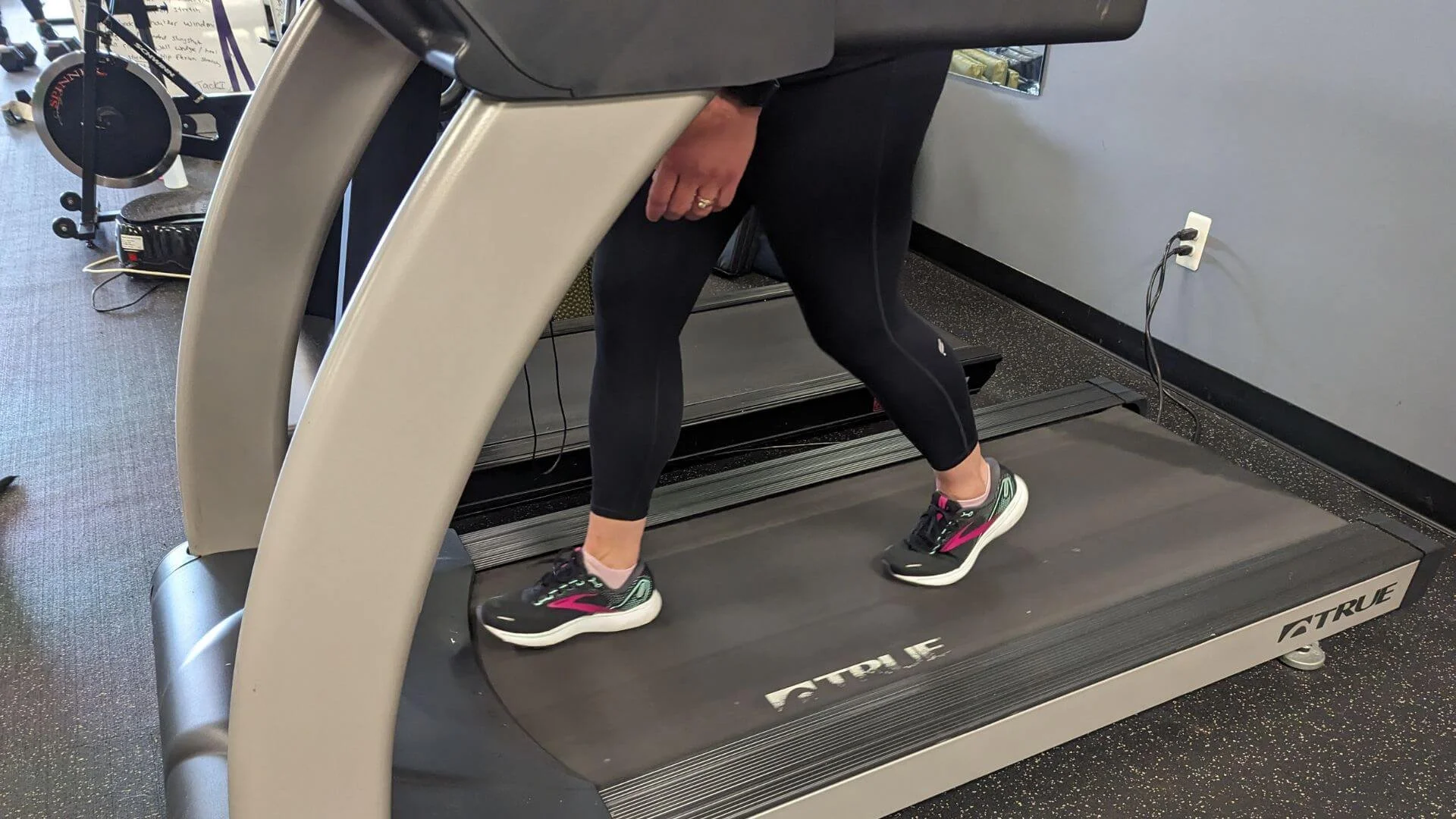
Don't underestimate walking simply because it doesn't feel like a traditional workout.
An evening walk can add movement to your day without requiring a trip to the gym. It can be particularly useful on days when a full workout isn't realistic or when you want a lower-intensity activity.
If you can consistently take a walk after dinner, that's a worthwhile habit.
What About Night Exercises to Lose Belly Fat?
If you've been searching for night exercises to lose belly fat, we need to clear up another common misconception: No particular exercise or time of day tells your body to remove fat specifically from your stomach.
Doing planks at 9 p.m. doesn't make your body burn belly fat overnight. Doing hundreds of crunches doesn't guarantee that fat will disappear from your abdomen first, either.
Core exercises can absolutely strengthen your abdominal muscles. They're valuable when they fit your program. But strengthening a muscle and losing fat from one particular area aren't the same thing.
Where your body stores and loses fat depends on factors beyond which muscle you're exercising. Instead of chasing "belly-fat-burning exercises," focus on a well-rounded fitness routine that includes strength training, cardiovascular activity, everyday movement, and habits that support your overall goals.
You can train your abs, but you can't tell your body exactly where to lose fat first.

Will Exercising at Night Affect Your Sleep?
This is where the answer becomes more individual. Some people can finish an evening workout, head home, shower, and sleep wonderfully. Other people finish a hard workout feeling completely wired.
That's why you need to pay attention to how your body responds.
WebMD recommends avoiding vigorous exercise too close to bedtime because high-intensity exercise may make it harder for some people to fall asleep.
That doesn't mean you automatically have to stop exercising several hours before bed. It means that if you regularly do intense workouts late at night and struggle to fall asleep afterward, your schedule or workout intensity may be worth adjusting.
If You Exercise Close to Bedtime, Consider Lower-Intensity Movement
If late evening is your only opportunity to move, you don't necessarily need to skip exercise altogether. Depending on your goals and fitness level, you might choose something less intense, such as:
Walking
Mobility work
Stretching
Moderate resistance training
Lower-intensity cardio
You can also give yourself time to cool down after your workout instead of going straight from an intense training session into bed.
Most importantly, monitor the pattern. If you exercise at night and sleep well, your evening routine may work perfectly fine for you. If you're staring at the ceiling wide awake after every late workout, something probably needs to change.
Don't Turn Your Evening Workout Into Punishment
This is an important one. If you're trying to lose weight, it's easy to start viewing exercise as a transaction:
I ate this, so now I need to burn it off.
I didn't work out yesterday, so tonight I need to do twice as much.
I only have 20 minutes, so it's not worth exercising.
That's not the relationship with movement we want our clients to develop.
A 20-minute workout isn't a failed 60-minute workout. An evening walk isn't worthless because you didn't make it to the gym. And missing one planned session doesn't mean you need to punish yourself the next day.
Fitness works much better when you can keep coming back to it.
At Peak Physique, we want you to leave feeling empowered, not exhausted, and able to do it again.
How to Make Evening Exercise a Habit
If evening workouts fit your schedule, treat them as part of your day instead of something you'll do "if you have time."
That may mean putting your workouts on your calendar, packing your gym clothes before work, deciding in advance which nights you're training, or working with a trainer who expects you to show up for your scheduled session.
Start with something realistic.
If you've barely been exercising, promising yourself a two-hour workout every night probably isn't the best first step. Three manageable workouts that you consistently complete are far more useful than an ambitious schedule you abandon after a week.
You can build from there.
Stop Worrying About the Clock and Start Building a Routine
So, can you exercise at night to lose weight? Absolutely!
But we'd rather you stop searching for the magical hour when exercise suddenly becomes more effective.
If evening workouts fit your life, make them your workouts. If mornings work better, exercise in the morning. What matters is creating a routine you can return to week after week, supported by healthy, sustainable habits outside the gym.
And you don't have to figure out that routine alone.
At Peak Physique, our certified personal trainers build workouts around your goals, fitness level, schedule, and real life. Whether you're starting from scratch, returning to exercise, or ready to make your current routine more effective, we'll help you find an approach you can actually stick with.
If you're looking for personal training in Troy, MI, contact Peak Physique today to schedule a consultation and get your first workout free.
Frequently Asked Questions About Exercising at Night to Lose Weight
Can you exercise at night to lose weight?
Yes. Evening exercise can be part of a weight-loss plan, just like exercise earlier in the day. Your overall consistency, physical activity, nutrition, sleep, and other lifestyle habits matter more than simply choosing morning or nighttime workouts.
Is exercising at night better for weight loss than exercising in the morning?
There isn't enough evidence to say everyone should exercise at night rather than in the morning specifically for weight loss. Research has explored potential benefits of exercise timing, but most people should prioritize finding a time they can exercise consistently.
What are the best night exercises to lose belly fat?
No specific night exercises selectively burn belly fat. Exercises such as planks and other core movements can strengthen your abdominal muscles, but they don't determine where your body loses fat. A comprehensive exercise routine and sustainable lifestyle habits are a better approach.
Is it okay to exercise right before bed?
It depends on the person and the workout. Some people tolerate evening exercise well, while vigorous workouts close to bedtime may interfere with sleep for others. If late workouts make it hard to fall asleep, try exercising earlier or reducing the intensity of your late-night sessions.
Is walking at night good for weight loss?
Walking increases your overall physical activity and can be part of a weight-management routine. It's also accessible, requires little equipment, and may be easier to fit into your schedule than a longer or more intense workout.
Is 30 minutes of exercise at night enough?
Thirty minutes of exercise can absolutely be a worthwhile workout. The appropriate amount of exercise depends on your goals, fitness level, workout intensity, and overall weekly activity. Don't dismiss a shorter workout simply because you don't have time for a longer one.