How To Build a High-Protein Diet For Abs That Actually Works
We've all heard the saying, "Abs are made in the kitchen." And while there's some truth to that, building a stronger, more defined core takes more than eating the right foods or doing hundreds of crunches.
The real secret? Finding a balance between nutrition, strength training, and consistency that works for your body and your lifestyle.
A high-protein diet for abs can help you build muscle, support recovery, and manage body fat without giving up the foods you love. You don't need an extreme meal plan or a refrigerator full of chicken breasts to make progress!
Let's break down what you should eat, how much protein you need, and how to build healthy habits that help you feel stronger from the inside out.
Key Takeaways for a High-Protein Diet For Abs
Protein helps build and maintain muscle, including your abdominal muscles.
Visible abs depend on muscle development, body fat levels, and genetics.
Lean meats, eggs, fish, Greek yogurt, and plant-based proteins are excellent options.
Carbohydrates and healthy fats are important parts of a balanced diet.
You can't target belly fat with specific foods or exercises.
Strength training and consistent nutrition work together to support results.
The best nutrition plan is one you can actually maintain.
How Does A High Protein Diet Help You Get Abs?
Here's something we remind our clients: Everyone has abdominal muscles!
Whether you can see them depends on several factors, including your muscle development, body composition, and genetics. Protein plays such an important role in not just building, but maintaining those muscles.
Protein Helps Build Stronger Muscles
When you strength train, you're challenging your muscles to adapt and grow stronger. Protein gives your body the building blocks it needs to repair and rebuild muscle tissue after those workouts.
That includes your abs!
Consistently getting enough protein supports your progress in the gym.
Protein Supports Healthy Fat Loss
If your goal includes more visible abdominal definition, reducing overall body fat may be part of your journey. Protein-rich foods help you feel satisfied after meals, making it a little easier to manage your calorie intake without constantly feeling hungry.
Protein also helps preserve muscle as you lose weight, especially when paired with resistance training.
But remember, you can't choose where your body loses fat. The goal is to support your overall health and body composition, not chase a quick fix for belly fat.

What Are The Best Foods For A High Protein Diet For Abs?
You don't have to eat the same meals every day to get enough protein. In fact, we encourage variety because healthy eating should be something you enjoy!
Here are some of our favorite protein-rich foods to incorporate into your routine.
1. Chicken And Turkey
Chicken and turkey provide lean proteins that support muscle growth and recovery.
They're also easy to incorporate into meals you already love. Think grilled chicken wraps, turkey burgers, or a simple chicken-and-rice bowl with vegetables.
2. Eggs
Eggs are a super convenient source of high-quality protein, along with vitamins and minerals your body needs. Scramble them with vegetables, make an omelet, or keep hard-boiled eggs ready for a quick snack.
And yes, you can enjoy the yolks! They contain nutrients that support a balanced diet.
3. Fish And Seafood
Salmon, tuna, shrimp, and other seafood are great ways to add protein to your meals. Fatty fish such as salmon also contain omega-3 fatty acids, which support heart health.
Try baked salmon with sweet potatoes and vegetables for a satisfying, energizing dinner. Plus, eating fish twice a week reduces your risk for heart problems and strokes.
4. Greek Yogurt And Cottage Cheese
Need something quick between meetings, errands, or workouts?
Greek yogurt and cottage cheese offer plenty of protein with minimal prep. Add fresh fruit, nuts, or seeds to create a snack that keeps you satisfied.
5. Beans, Lentils, And Tofu
You absolutely don't need to eat meat to build muscle! Beans, lentils, tofu, and tempeh provide plant-based protein, and many are excellent sources of fiber.
Add them to soups, salads, or grain bowls for an easy nutritional boost.
6. Nuts And Seeds
Almonds, walnuts, chia seeds, and pumpkin seeds provide healthy fats, fiber, and some protein.
They're great additions to yogurt, oatmeal, and salads. Just keep portions in mind because nuts and seeds are calorie-dense.
How Much Protein Do You Need To Build Abs?
We hear this question all the time, and the answer isn't the same for everyone.
How much protein for you to build abs are going to be different than me, because it depends on your body weight.
For many adults who strength train regularly, approximately 1.2–1.6 grams of protein per kilogram of body weight each day is a helpful starting point.
Here's what that looks like:
| Body Weight | Daily Protein Goal |
|---|---|
| 120 pounds | 65–87 grams |
| 150 pounds | 82–109 grams |
| 180 pounds | 98–131 grams |
| 200 pounds | 109–145 grams |
Some people may benefit from more, but eating extra protein doesn't automatically mean faster results.
We always encourage focusing on the bigger picture: balanced nutrition, consistent movement, and giving your body what it needs to recover. A registered dietitian can help determine an individualized protein target.
What Foods Should You Limit When Trying To Get Abs?
Let's clear something up: You don't need to completely eliminate your favorite foods to build a stronger core.
At Peak Physique, we believe healthy habits should fit into your life, not take it over.
However, you can still enjoy certain foods in moderation while working toward body composition goals.
Sugary drinks: Soda, sweetened coffee, and energy drinks can add calories without keeping you satisfied.
Fried foods: Eating fried meals often can make managing your overall calorie intake harder.
Sugary snacks: Cookies, candy, and pastries are fine occasionally, but shouldn't replace nutrient-rich meals.
Processed meats: Bacon, hot dogs, and some deli meats are high in sodium and saturated fat.
Alcohol: Alcohol can affect sleep, recovery, and your overall calorie intake.
Instead of focusing on everything you can't eat, focus on adding foods that help you feel energized, satisfied, and ready for your next workout.
A Simple High Protein Meal Plan For Abs
Not sure where to start? Here's an example of how you could incorporate protein throughout your day without overcomplicating your meals.
Breakfast: Scrambled eggs with spinach, whole-grain toast, and fresh berries.
Morning Snack: Plain Greek yogurt topped with blueberries and almonds.
Lunch: Grilled chicken with quinoa, roasted vegetables, and olive oil dressing.
Afternoon Snack: Cottage cheese with an apple.
Dinner: Baked salmon with roasted sweet potatoes and asparagus.
Notice something? No extreme restrictions, complicated recipes, or expensive specialty foods.
Just balanced meals that provide protein, carbohydrates, healthy fats, and nutrients to support your body. Your portion sizes and overall calorie needs will depend on your individual goals, but this is a great example of how simple healthy eating can be.
Why Exercise Is Just As Important As Your Diet
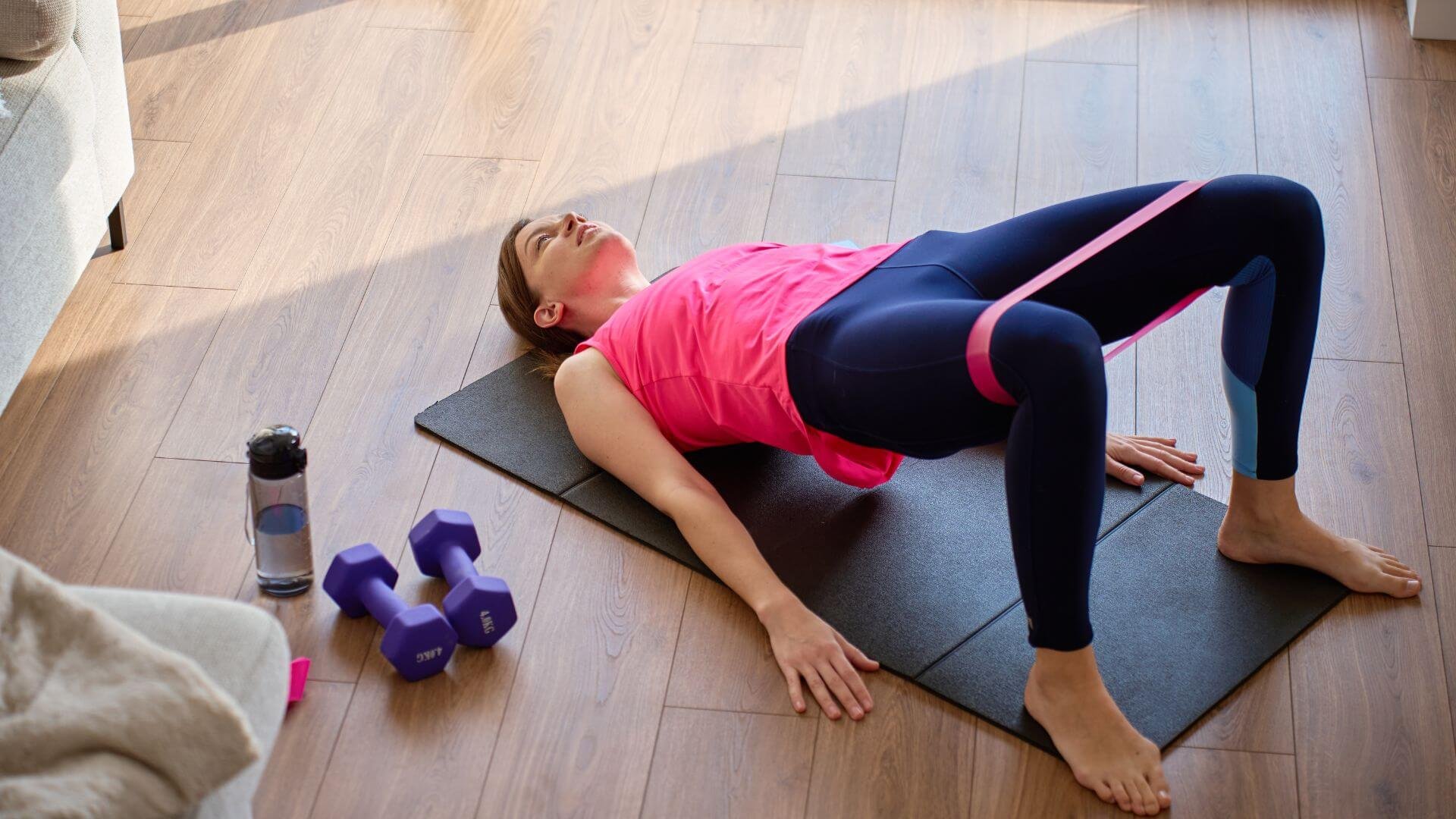
Even the best high-protein diet for abs can't replace a consistent exercise routine. To build a stronger core, incorporate abdominal exercises like planks, bicycle crunches, and controlled leg raises.
But don't forget about full-body strength training!
Exercises like squats, rows, and deadlifts challenge your core while building strength throughout your body. Cardio activities like walking, swimming, or cycling also support heart health and overall fitness.
And remember, you don't need to work out every day to make progress. At Peak Physique, we help clients build workout routines that challenge them appropriately while allowing enough time for recovery.
And, if you’re feeling up for it, consider trying some of the hardest core exercises we could find.
Frequently Asked Questions About a High-Protein Diet For Abs
Can you get abs just by eating more protein?
We wish! Protein supports muscle development, but visible abs also depend on body fat levels, genetics, and regular exercise. A balanced approach to nutrition and training produces better long-term results.
Is a high protein diet good for losing belly fat?
Protein can support overall fat loss by helping you feel full and preserving muscle during a calorie deficit. However, no food or diet can target belly fat specifically.
Do you need to cut carbs to get abs?
Absolutely not! Carbohydrates fuel workouts and support recovery. Foods like oatmeal, brown rice, fruits, and vegetables can all fit into a healthy diet.
How long does it take to get abs with a high protein diet?
Everyone's timeline is different. Your starting body composition, genetics, training routine, and nutrition all influence your results. Focus on consistent progress rather than a specific deadline.
Are protein shakes necessary for getting abs?
Nope! Protein shakes can be convenient, especially on busy days, but they're not required. You can meet your protein needs through everyday foods like eggs, fish, yogurt, chicken, and beans.
Is strength training or cardio better for abs?
Both play important roles! Strength training builds muscle, while cardio supports cardiovascular health and energy expenditure. Combining the two with balanced nutrition helps support your overall fitness goals.