I Hate Working Out: What If You Start With What You Don’t Hate?
“I hate working out.”
If you've said it before, you're definitely not the only one. Maybe you hate running, or going to the gym makes you uncomfortable. Maybe you've tried workout programs that left you sore, exhausted, or counting down every second until they were over.
Or maybe exercise has simply never been something you enjoy.
Here's what we want you to know: you don't have to love working out to become more active. And you definitely don't have to force yourself to do the types of exercise you hate just because someone told you they're the "best" way to get fit.
At Peak Physique, we'd rather start somewhere much simpler: What don't you hate?
Finding an answer to that question can be the first step toward building a fitness routine that actually works in your real life.
Key Takeaways
If you hate working out, start by identifying what you dislike about exercise rather than assuming you hate every kind of movement.
Exercise doesn't have to mean running, burpees, crowded gyms, or hour-long workouts.
Walking, dancing, playing with your kids, recreational sports, strength training, and other activities can all get you moving.
Starting with shorter, manageable workouts can make exercise feel less overwhelming.
You don't need to feel motivated every day. Building a realistic routine can make consistency easier.
A personal trainer can help you find exercises that fit your goals, abilities, preferences, and comfort level instead of forcing you into a cookie-cutter workout.
“I Hate Working Out” Usually Means Something More Specific
Most reasons people dislike working out tend to fall into a few categories: the activity, the environment, the intensity, the time commitment, lack of confidence, or boredom. Identifying which one is getting in your way makes it easier to find an alternative.
If you hate working out, it’s worth figuring out what you actually dislike. For many people, the problem isn’t exercise itself; it’s the experiences they’ve come to associate with it.
Maybe you hate running, feel uncomfortable in a crowded gym, don’t know what exercises to do, or have tried workouts that left you overly sore and exhausted. You might simply get bored doing the same thing over and over.
Those problems have different solutions. You may need a different type of exercise, more variety, a more comfortable environment, or someone to give you guidance and take away the guesswork.
Before deciding exercise isn’t for you, get specific about what you dislike. Once you know what isn’t working, you can start finding something that does.
Stop Forcing Yourself to Do Exercise You Hate
There’s no rule that says getting fit requires running, burpees, 5 a.m. workouts, or anything else you dread.
A well-rounded fitness program will sometimes challenge you, and you probably won’t love every exercise. But there’s a difference between being challenged and building your entire routine around workouts you hate. If you dread every session, staying consistent becomes much harder.
Instead of asking, “What’s the best workout?” ask yourself, “What kind of movement could I realistically see myself doing again?”
That’s a much better place to start.

Rethink What Counts as Exercise
Exercise doesn’t only happen inside a gym. Walking, biking, dancing, hiking, recreational sports, yard work, and playing outside with your kids all get you moving.
WebMD includes activities like walking, dancing, gardening, recreational sports, active video games, and household chores as ways to exercise when traditional workouts don’t appeal to you. The bigger lesson is that movement can take many forms.
You don’t have to turn everything you do into a workout or a calorie-burning calculation. Especially if you’re currently inactive, your first goal may simply be to move more than you do now.
Start With What You Don’t Hate
You don’t need to find an exercise you’re passionate about right away. Start by identifying options that remove some of the things you already know you dislike.
If you hate running, try another form of cardio. If crowded gyms make you uncomfortable, consider a smaller environment. If long workouts feel overwhelming, start shorter. If you get bored easily, add more variety. And if you don’t enjoy exercising alone, find a friend or work with a trainer.
You may discover that you don’t hate strength training—you hated not knowing what to do. Maybe you don’t hate cardio; you just hate treadmills.
Finding out what works for you often starts with figuring out what doesn’t.
Hate Working Out? Start With What You Don’t Hate
Instead of forcing yourself through exercise you dread, start by changing the part of working out you don't enjoy.
| If You Hate... | Try This Instead |
|---|---|
| Running | Walking, cycling, or swimming |
| Crowded gyms | A smaller personal training studio |
| Long workouts | Shorter workouts or micro workouts |
| Repetitive workouts | Add more variety to your routine |
| Working out alone | Exercise with a friend or personal trainer |
| Treadmills | Outdoor cardio or another activity you enjoy |
| Not knowing what to do | Follow a planned, trainer-led workout |
Your Workout Doesn’t Have to Be an Hour Long
Exercise can feel overwhelming when you assume every workout needs to take an hour or more. It doesn’t.
Shorter workouts and movement throughout your day still count. Blue Cross NC, for example, recommends “micro workouts” for people who don’t enjoy longer sessions, such as breaking 30 minutes of activity into three 10-minute periods.
Start with an amount that feels manageable and build from there. Your first goal isn’t to prove how much exercise you can tolerate. It’s to create a routine you’re willing to repeat.
You Don’t Need to Feel Motivated Every Time
Waiting until you feel like exercising can make consistency difficult. Motivation changes, which is why having a routine can be more reliable.
Try deciding ahead of time when you’ll exercise. That could mean training after work twice a week, walking after dinner, or scheduling a personal training session on Saturday morning. Having a plan removes the daily decision of whether you’re going to work out.
And when life disrupts that plan, adjust and keep going. Missing a workout doesn’t erase the ones you’ve already completed.
Try Different Types of Movement Before Giving Up on Exercise
If your experience with exercise has mostly involved gym class, treadmills, or workout videos you hated, keep experimenting.
Try walking, hiking, strength training, cycling, swimming, dancing, yoga, recreational sports, martial arts, or exercising with someone else. Then pay attention to how the activity actually feels.
Did you enjoy learning it? Did the time pass quickly? Did you feel accomplished afterward? Most importantly, would you willingly do it again?
You don’t necessarily need to finish thinking, I love this.
“That wasn’t so bad” is a perfectly good place to start.
What If You Hate Going to the Gym?
Sometimes it isn’t exercise you dislike. It’s the gym environment.
A large gym can feel intimidating when you don’t know which equipment to use, aren’t confident in your form, or feel like everyone else knows exactly what they’re doing.
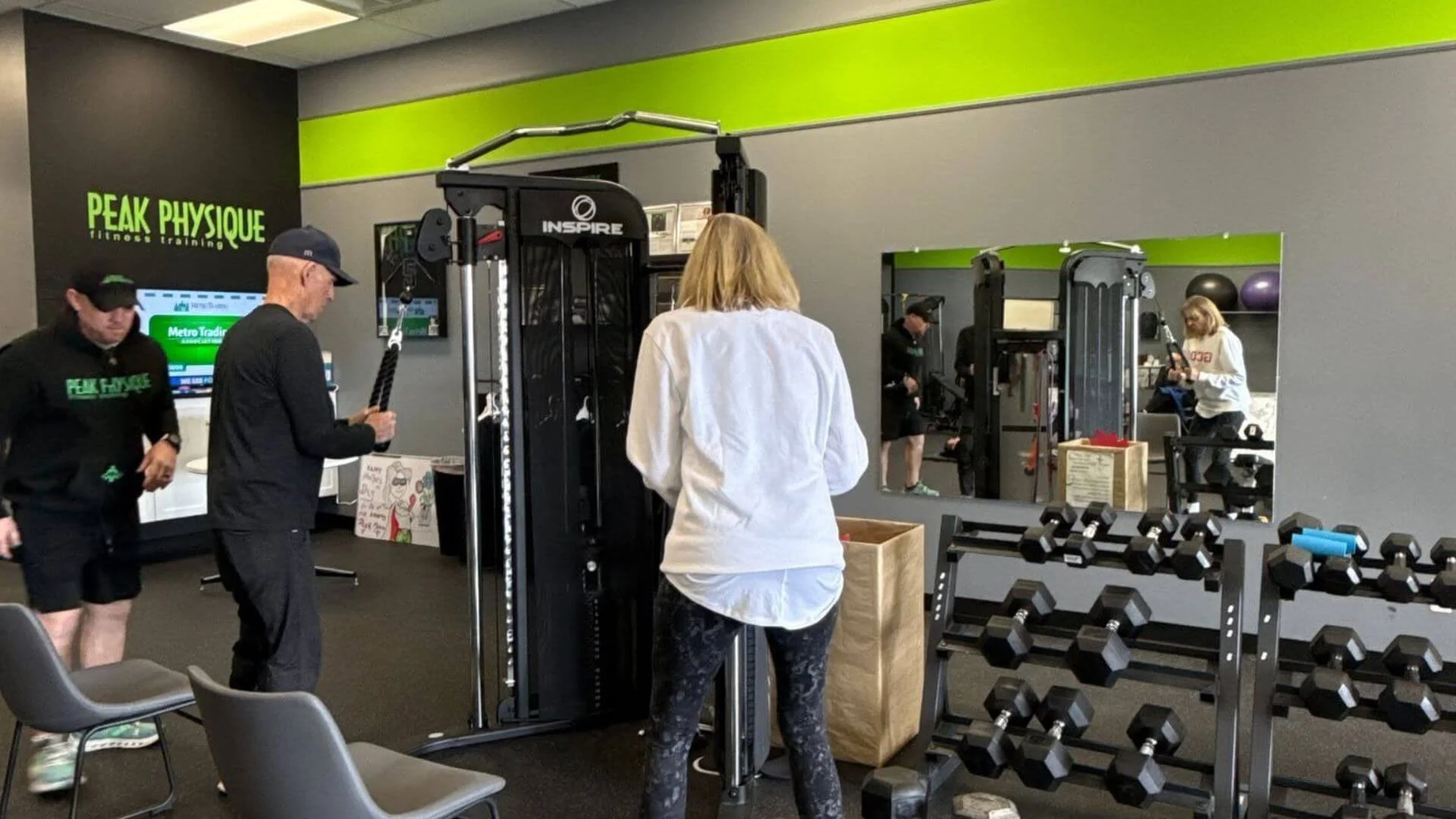
That’s one reason Peak Physique is different from a large commercial gym. As a personal training studio, we don’t expect you to walk in and figure everything out yourself. Your trainer plans your workout, teaches you each movement, helps with your technique, and adjusts your program as you progress.
You don’t need to know how to work out before you come to us. Teaching you is part of our job.
For women who would feel more comfortable in a women-only environment, Peak Women also provides personalized training in a space designed specifically for women.
Finding an environment where you feel comfortable can change your entire experience with exercise.
A Personal Trainer Shouldn’t Make You Hate Exercise More
Personal training shouldn’t mean someone yelling at you while you struggle through exercises you hate. A good trainer should challenge you while also understanding your goals, abilities, preferences, and previous experiences with fitness.
At Peak Physique, that’s why we don’t do cookie-cutter workouts. If there’s an exercise you dislike, tell us. Sometimes there’s a reason it belongs in your program. Other times, we may be able to accomplish the same goal with a movement that works better for you.
Your program should evolve as you do, giving you the challenge you need without making every workout something you dread.
You May Never Love Working Out, and That’s Okay
You don’t have to become someone who loves the gym. You don’t have to look forward to every workout or enjoy every exercise. Instead, you may learn to appreciate what exercise gives you.
Maybe you like feeling stronger, having more energy, noticing that everyday activities feel easier, managing stress, or seeing yourself accomplish something you couldn’t do a few months ago.
Exercise can be worthwhile even when the workout itself isn’t your favorite part of the day. You don’t have to love working out to value what movement adds to your life.
If You Hate Working Out, Let’s Find Something You Don’t Hate
If “I hate working out” has been your answer every time someone suggests exercising, you don’t need someone to tell you to try harder. You may just need a different approach.
At Peak Physique, we start with where you are now. Our personal trainers learn about your goals, experience, preferences, and challenges to build a fitness program that works for you, not a cookie-cutter version of what fitness is supposed to look like.
You may eventually find an exercise you love. You may not. Either way, you can become stronger, move more, and build a routine without dreading every workout.
Start with what you don’t hate. We’ll help you figure out the rest.
If you’re looking for personal training in Troy, MI, contact Peak Physique to schedule your consultation and get your first workout free.
Frequently Asked Questions If You Hate Working Out
Why do I hate working out so much?
You may dislike certain exercises, feel uncomfortable in gyms, get bored easily, struggle to find time, or simply have negative experiences with exercise. Identifying what you specifically dislike can help you find an approach that works better for you.
How do I get fit if I hate working out?
Start with movement you don’t hate and gradually build from there. Walking, dancing, recreational activities, strength training, sports, and many other activities can get you moving without requiring a traditional gym workout.
What is the best exercise for someone who hates exercise?
There isn’t one best option. Look for an activity that fits your abilities, goals, and preferences and that you can realistically repeat. You don’t have to love it; finding something you don’t dread is a good start.
Does walking count as exercise?
Yes. Walking is an accessible way to increase your physical activity. As your fitness improves, you can gradually change your pace, distance, frequency, or route.
How long should I exercise if I’m a beginner?
Start with an amount that feels manageable and gradually increase your activity. You don’t need to begin with long workouts, and shorter periods of movement can help you start establishing a routine.
Can a personal trainer help if I don’t like working out?
Yes. A personal trainer can remove some of the guesswork by planning your workouts, teaching you proper technique, and adapting exercises to your abilities, goals, and preferences.
How do I motivate myself to exercise if I hate working out?
Don't rely entirely on motivation. Choose a type of movement that feels manageable, decide when you'll do it ahead of time, and start with a routine you can realistically repeat. Making exercise easier to start can be more effective than waiting until you feel motivated.